Digital Knowledge System
Climate change mitigation via decarbonization and restoration
Portugal
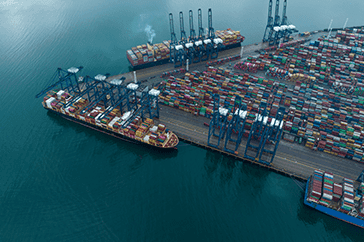
Technological development of a platform to calculate climate balance/neutrality at territorial level using a dual approach: decarbonization of human activities and blue carbon sequestration.
Main Target
Biodiversity restoration and climate change adaptation
Transformative Impact
Technological development of a platform to calculate climate balance/neutrality at territorial level using a dual approach: decarbonization of human activities and blue carbon sequestration will have an important impact on the port activities and administration and will accelerate the transition to a carbon neutral area.
Implemented Actions
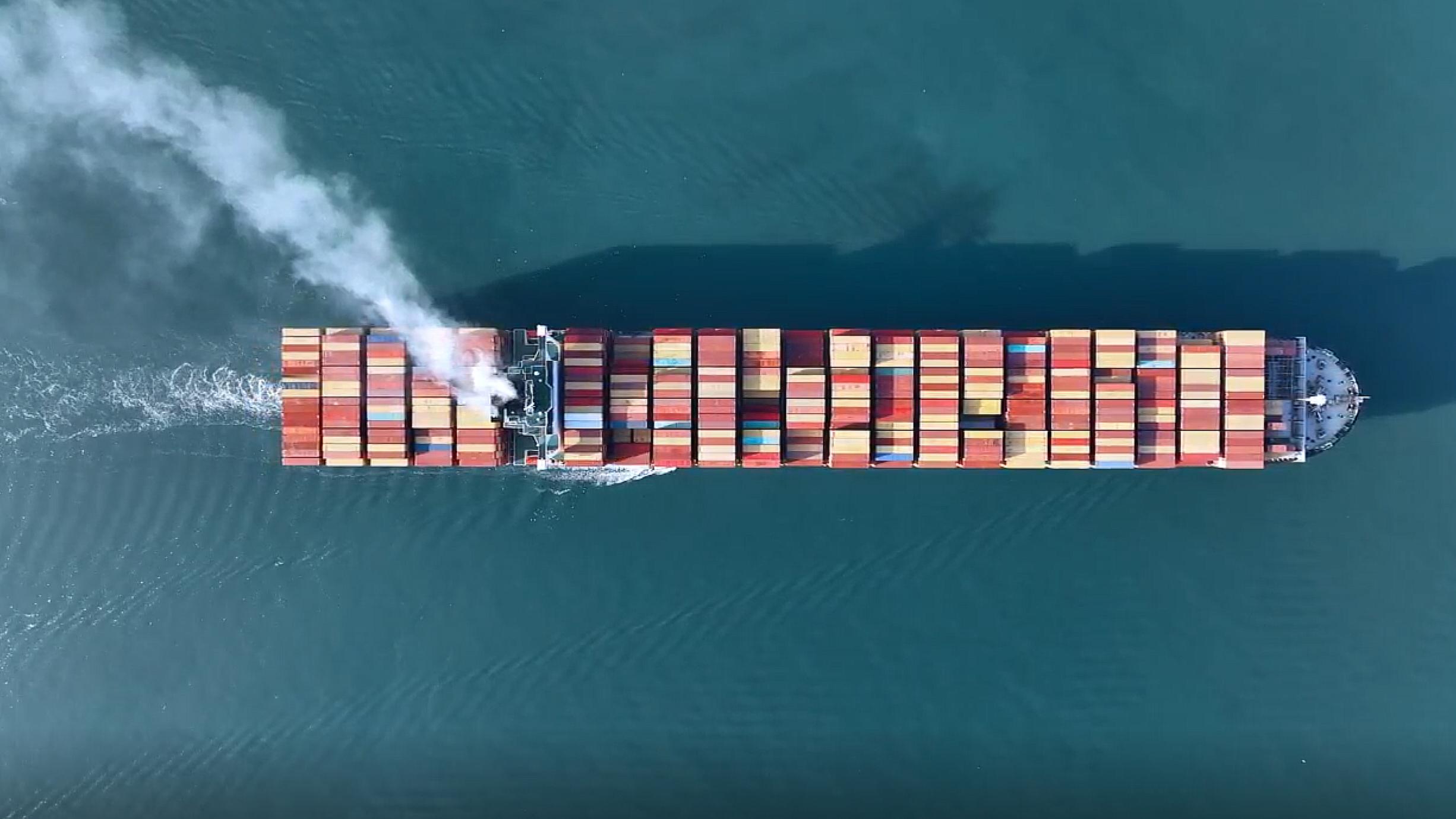
GHG Inventory
Quantified CO₂ emissions from ships, rail, heavy-duty vehicles and handling equipment to establish a 1990–2022 baseline. Quantified CO₂ emissions from well preserved, restored and impacted seagrass meadows (in collaboration with RESTORE4Cs project) enabling to quantify the added value from restoration.
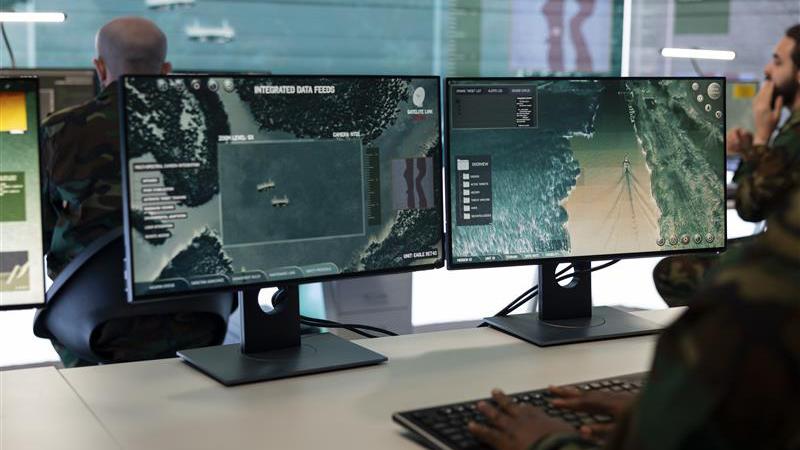
Scenario Modeling
Evaluated hydrogen, methanol and biofuels, electrification and road-to-rail shifts to identify top decarbonisation pathways. Prospective scenarios for seagrass restoration (in collaboration with RESTORE4Cs project) to analyse carbon storage capacity.
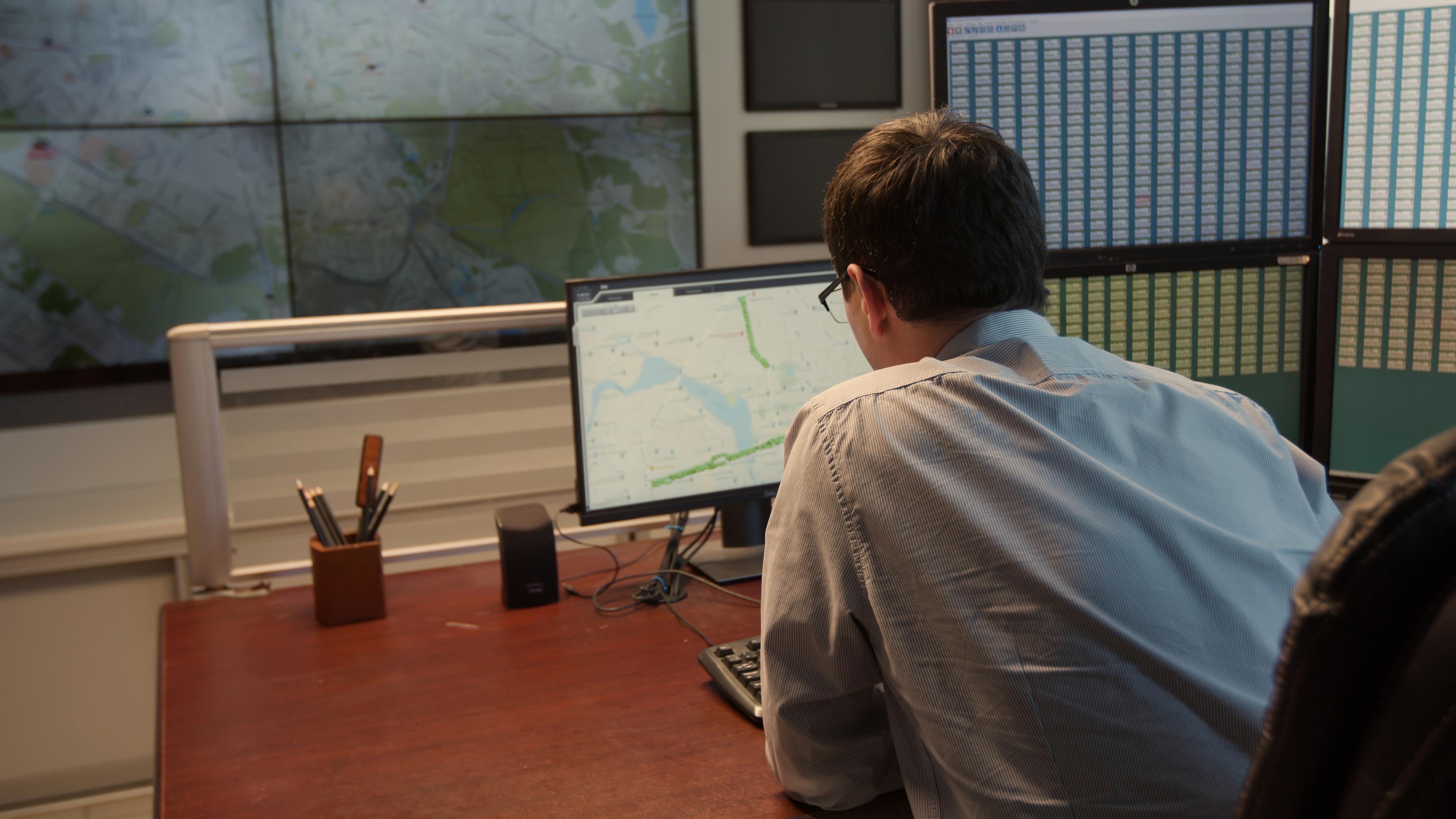
Decarbonisation Plan
Set clear targets for 2025, 2030, 2040 and 2050, with structured stakeholder engagement for rollout.
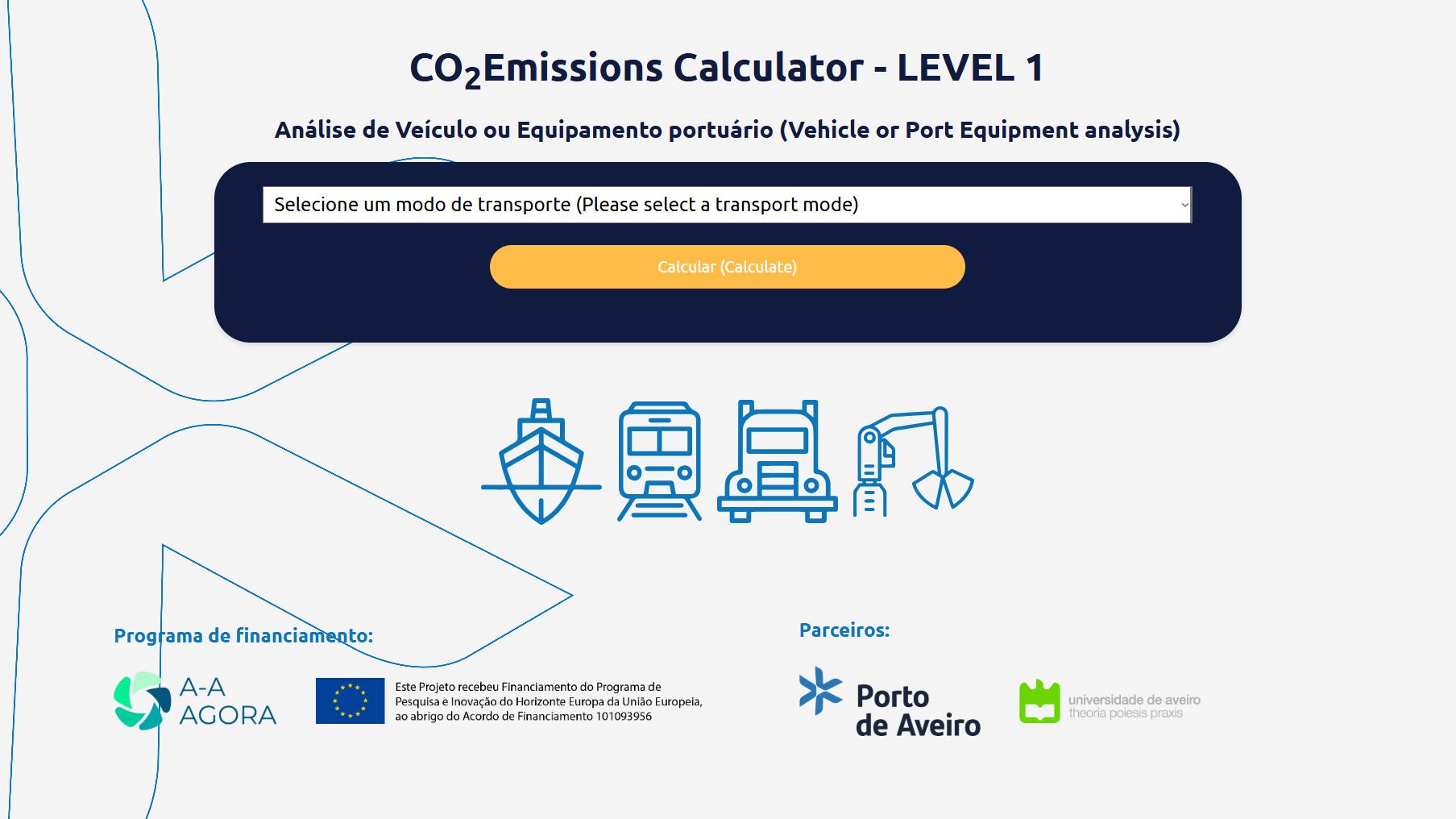
CO₂ Emissions Calculator
Deployed an EMEP/EEA-based web tool offering three tiers of analysis—from individual assets to full supply chains—with exportable results.
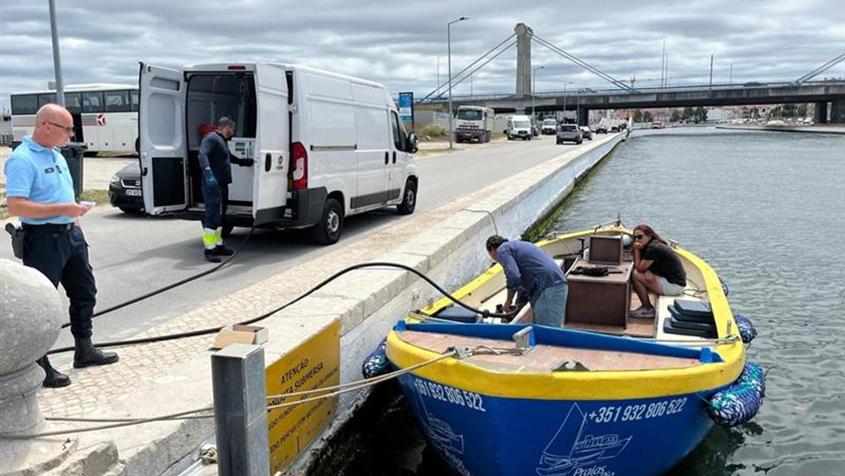
Biofuel Trials
Tested B15 (15% biodiesel) and E10 (10% bioethanol) blends in Ria de Aveiro tour boats to demonstrate real-world emission cuts and build stakeholder confidence.
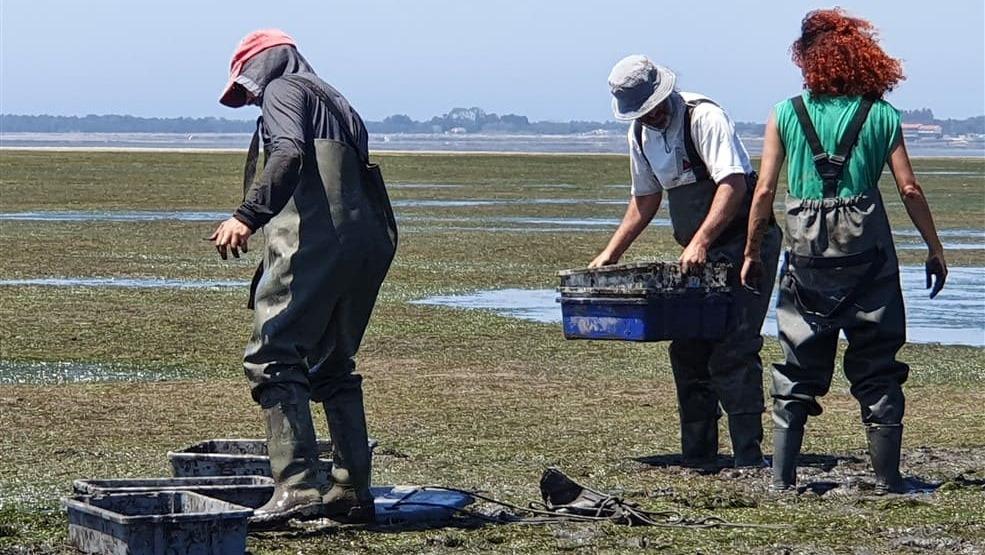
Large Scale Seagrass Restoration
Seagrass (Zostera noltii) meadows restoration actions took place at Ria de Aveiro, with the collaboration of volunteers from different societal sectors.
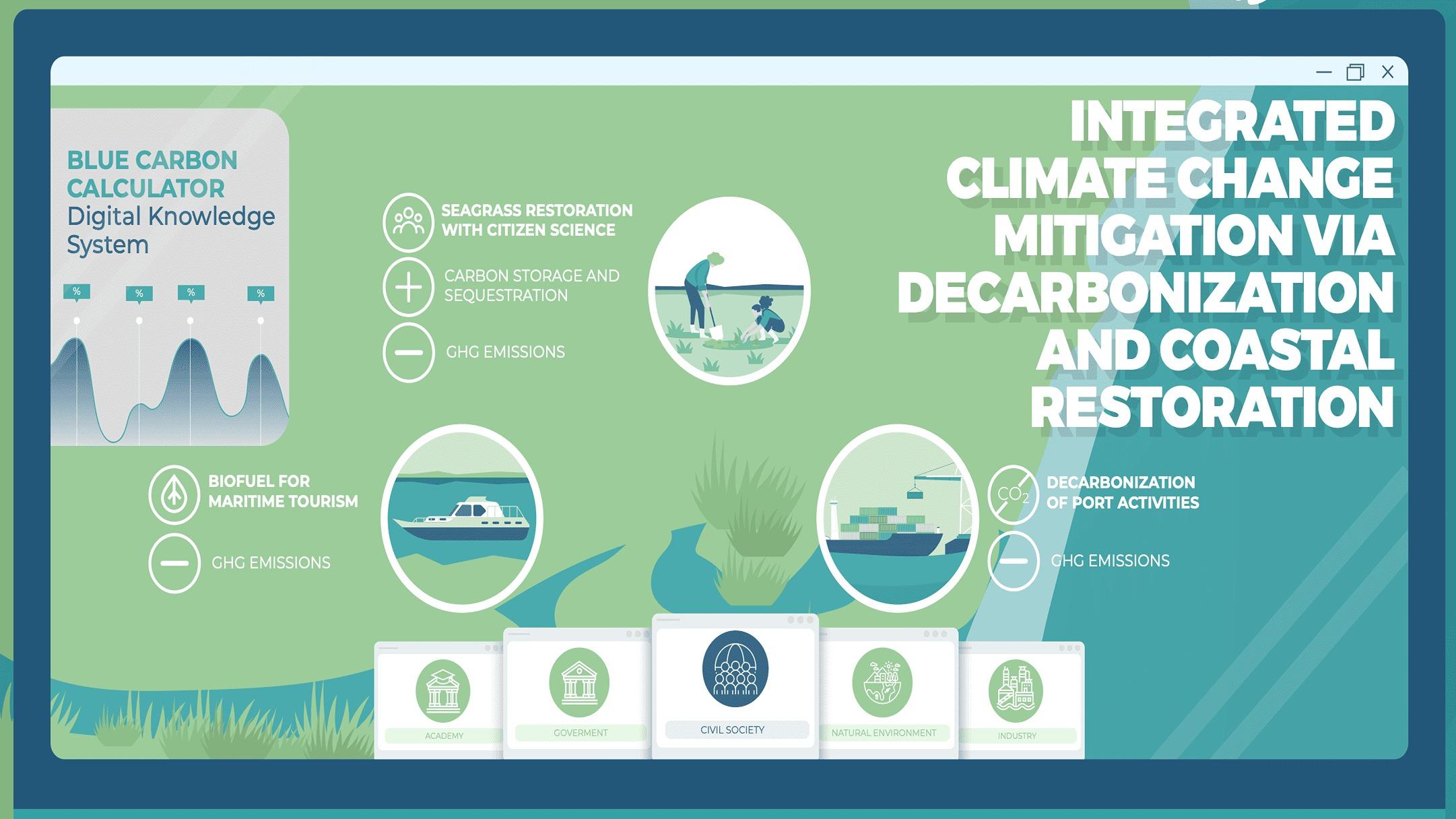
Digital Knowledge System
Integrative interface connecting calculators, models and restoration metrics so that stakeholders can explore trade-offs, understand synergies, and co-design context specific actions. This approach prioritises collaboration and transparency over prescriptive decision-making.
Key Indicators
Number of usersTypes of vesselsTotal quantity of calculated carbon footprintReduction of the carbon footprintRelevance for the users (based on their feedback)